What Is a Mortise Lock and Why Does the Installation Method Matter?
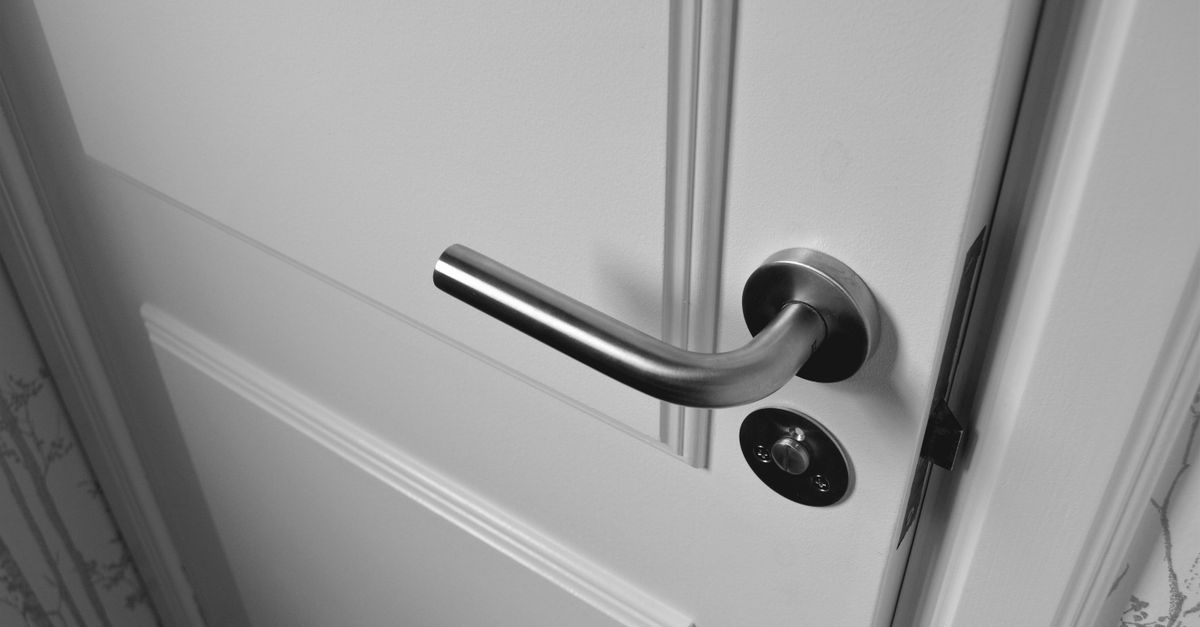
A mortise lock is a self-contained lock set that fits into a precisely routed pocket in the edge of a door. Unlike a simple bored cylindrical lock, a mortise lock set houses the latch, deadbolt, and sometimes a privacy function all within a single metal case. That design distributes force across a wider area of the door stile, making the assembly dramatically harder to kick in or pry apart. Mortise lock sets are common on solid-wood and metal commercial doors, on higher-end residential entryways, and on the older pre-hung doors found throughout Jackson County's established neighborhoods — from Raytown bungalows to the brick colonials near Loose Park on the Kansas City side of the county line. The installation method matters enormously because a pocket that is routed too deep, too shallow, or even a fraction of an inch off-center will cause binding, misalignment, or premature wear on the mortise lock cylinder. That is why door lock installation of this type demands precision tools and real hands-on experience, not guesswork.
Our technicians measure strike plate placement, door thickness, backset, and edge clearance before any cutting begins. We also inspect the door frame for hidden damage — a step that prevents a beautifully installed lock from failing because the jamb behind it is rotted or cracked. When the geometry is right and the lock seats flush, the finished result operates smoothly with minimal key effort and aligns perfectly with the door frame's strike box every time.