What Is a Mortise Lock and Why New Jackson County Homeowners Should Know
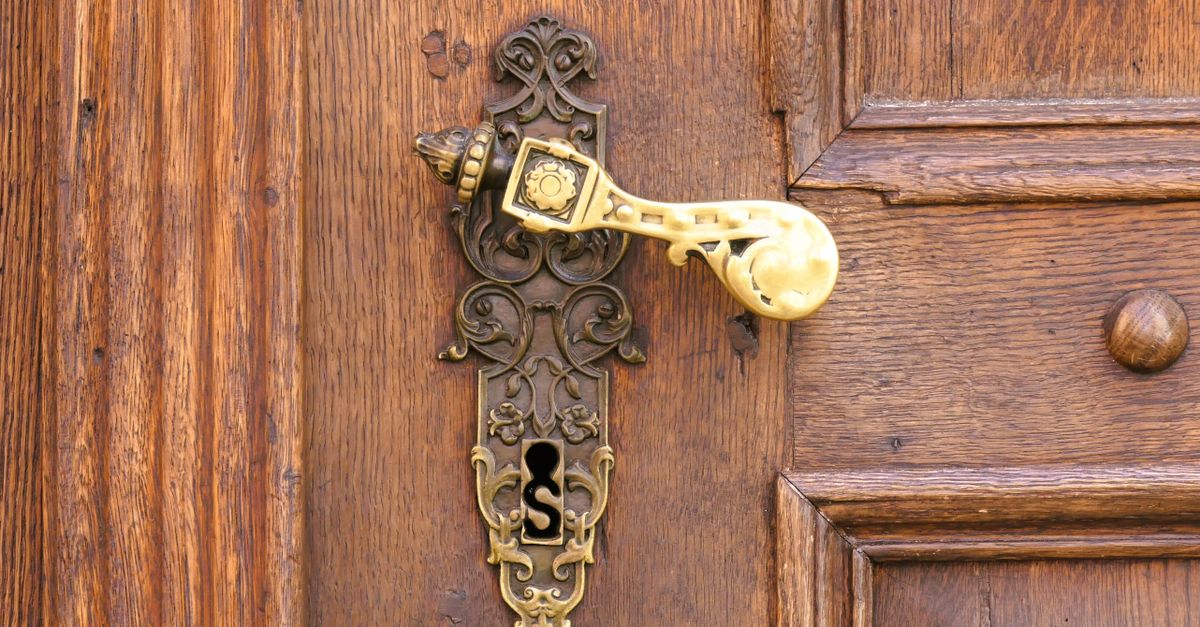
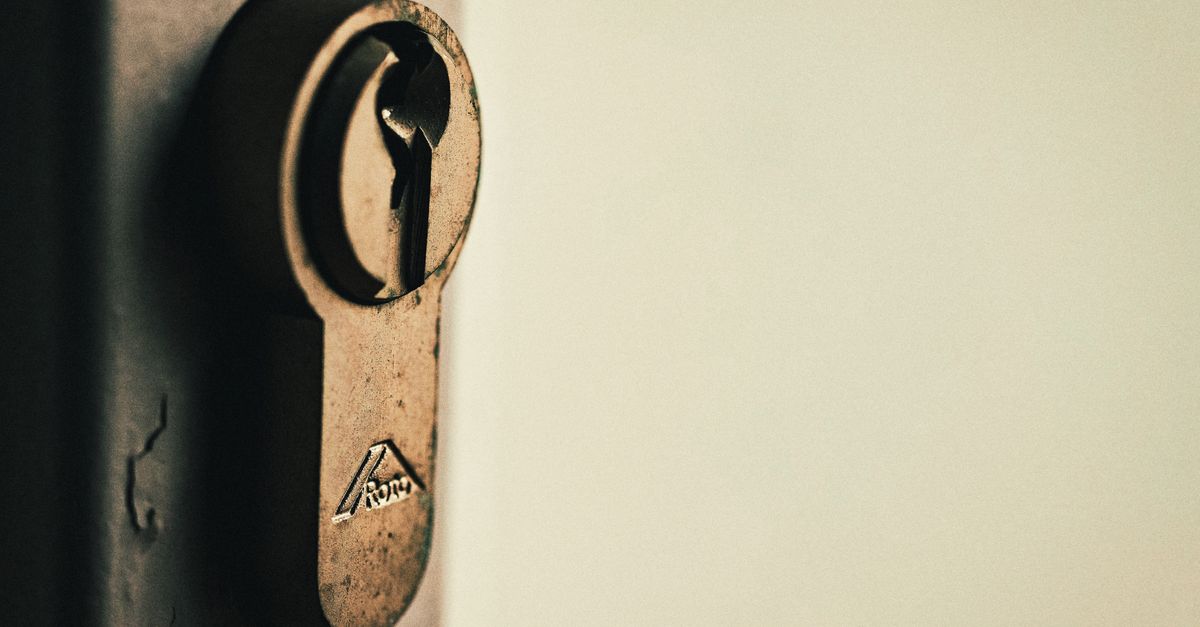
A mortise lock is a complete locking assembly — latch bolt, dead bolt, strike plate interface, and cylinder — housed inside a precisely routed pocket cut into the edge of a door. Unlike a cylindrical bored lock that sits in a simple round hole, a mortise lock set integrates multiple locking functions into one elegant unit, which is why you commonly find them on exterior doors of older Kansas City bungalows, mid-century two-stories in Independence, and upscale new construction throughout Lee's Summit. The cylinder, often called the mortise lock cylinder, is the key-operated plug that sits flush with the face plate and is the only component that needs to be addressed during a rekey — the rest of the mechanism stays intact.
Understanding this distinction matters because it affects what a professional locksmith actually does at your door. Rekeying a mortise lock cylinder means removing the plug, repinning the internal driver pins to match a brand-new key cut, and reinstalling everything so the old keys become permanently useless. It is a precise, skill-dependent process that differs substantially from rekeying a simple door knob lock or a standard deadbolt. Brands like Corbin Russwin and Baldwin engineer their cylinders with tighter tolerances and proprietary pin stacks, which is why this work belongs with trained technicians rather than a general hardware store kit.